Wall Surfaces Restored After Insulation Work
Drywall Repair in Versailles for homes where insulation or air sealing work has opened or damaged finished wall surfaces
Cutting into a finished wall to access a framing cavity is a necessary part of insulation and air sealing work, but the result is a surface that needs to be closed and matched before the room looks right again. Spray Foam Done Right handles drywall repair in Versailles as part of the same project rather than leaving the patching to a separate contractor. The owner has been in the trade since 1998 and works on each job directly alongside two subcontractors, so the crew that opened the wall is the same crew that closes it.
Repairs begin by opening only the section of wall that actually requires access, then patching or replacing the damaged board once the insulation work behind it is complete. In older remodeled farmhouses, this step sometimes uncovers wall damage that was already present beneath the finished surface—previous repairs, moisture staining, or board that was never properly taped—which the crew documents and addresses as part of the agreed scope.
Arrange a free estimate to define the repair scope and confirm what the finished surface will look like before any cutting starts.
How Drywall Repair Is Done Correctly
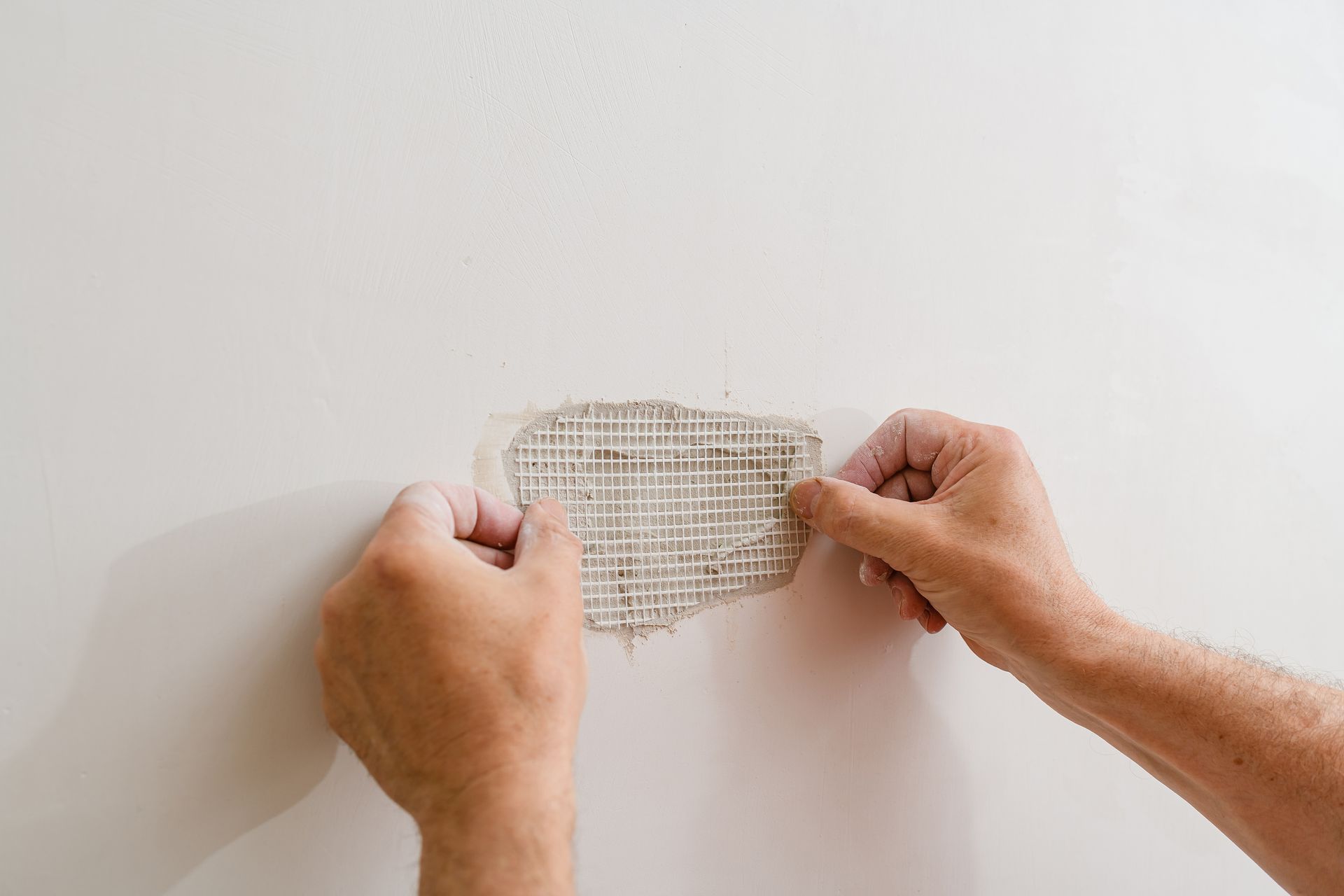
Patching a wall opening is not simply filling the hole—it involves backing the patch so the board is supported, feathering the compound beyond the cut line so the edge disappears, and matching the existing texture before paint is applied. Skipping any of these steps produces a patch that shows as a flat spot or a ridge once the light hits the wall at an angle. The crew works the patch to the point where the repair blends into the surrounding surface rather than reading as a distinct area.
Once the compound is set and sanded, the finished wall surface is level with the surrounding drywall and the texture matches as closely as the existing finish allows. The work area is cleaned before the crew leaves, so the room is ready for paint rather than left with compound dust and scrap board on the floor. What you see when the job is done is a wall that reads as continuous, not one with a visible repair zone.
The scope of any drywall repair depends on the size of the opening, the texture of the existing wall, and whether the underlying board is structurally sound or needs replacement. Spray Foam Done Right confirms all of this on the free estimate so there are no additions to the scope once work begins.
Answers About How the Work Is Done
These questions cover the repair process, what the crew looks for in older wall surfaces, and how finished patches are matched to existing drywall.
What happens when the crew opens a wall and finds existing damage behind the surface?
In older and remodeled homes, wall cavities sometimes contain evidence of previous moisture, incomplete repairs, or board that was never properly fastened. The crew identifies these conditions during the access cut and documents them so the repair scope can be adjusted before the cavity is closed.
How is the texture matched on a drywall patch?
Matching texture requires identifying the method used on the original surface—knockdown, orange peel, skip trowel, or smooth finish—and applying compound using the same technique before the surface dries. The closer the original texture is replicated, the less visible the seam is under direct light.
Why does backing matter when patching a cut opening in drywall?
A patch board needs something solid to fasten to on each edge, or it will flex and crack the joint compound over time. Backing strips or a clip system are set into the opening first so the replacement board is fastened securely before any compound is applied.
How do you know when a drywall repair is ready for paint?
The compound must be fully dry—not just set on the surface—and the patch must be sanded flush with the surrounding board before paint is applied. Applying paint over compound that is still curing leads to shrinkage cracks that appear days or weeks after the job is finished.
What separates a drywall patch that holds from one that fails within a year?
A patch that lasts is fastened to solid backing, built up in layers with adequate dry time between coats, and feathered wide enough that the edge is not detectable by feel. Patches that fail are typically unfastened at one edge, built too thin, or painted before the compound has fully cured.
Spray Foam Done Right also performs drywall repair in Osage Beach, Jefferson City, Sedalia, Lebanon, and Boonville. Call (573) 216-8500 to walk through the repair scope with the owner and get a written estimate before the work is scheduled.